

How do serious games and simulations support learning?
We study how serious games and simulations support learning in higher and professional education, combining usage data with observations and feedback from teachers and learners.
Questions that drive our research
Design
How can teachers, experts and developers co-design serious games and simulations?
Use
How can serious games and simulations be integrated into courses effectively?
Impact
How can their impact on learning be measured?
Application domains
Fields we work in
Some of the fields in which we have designed and studied serious games and simulations.
Health and emergency care
Project management
Computing education
Sustainability and complex problems
Criminology
Energy management
Research projects
HUG · Innosuisse
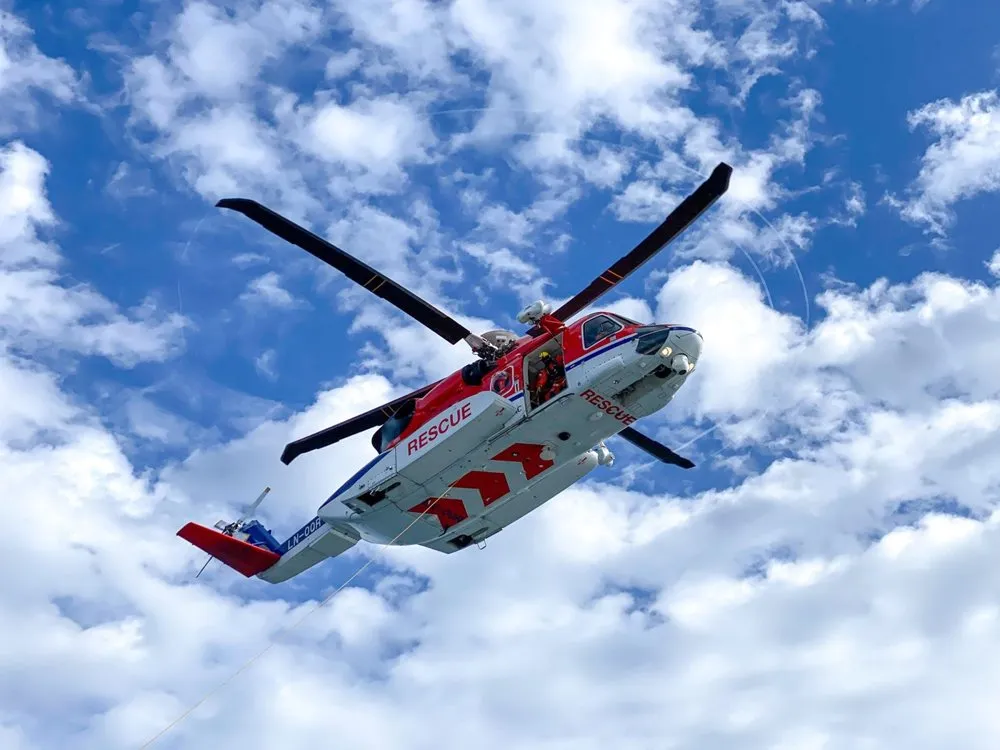
MIMMS
Simulations for training in the medical management of major incidents.
Learn more
SNSF
A digital inquiry platform for wicked problems
A digital platform for a collective approach to wicked problems.
Learn more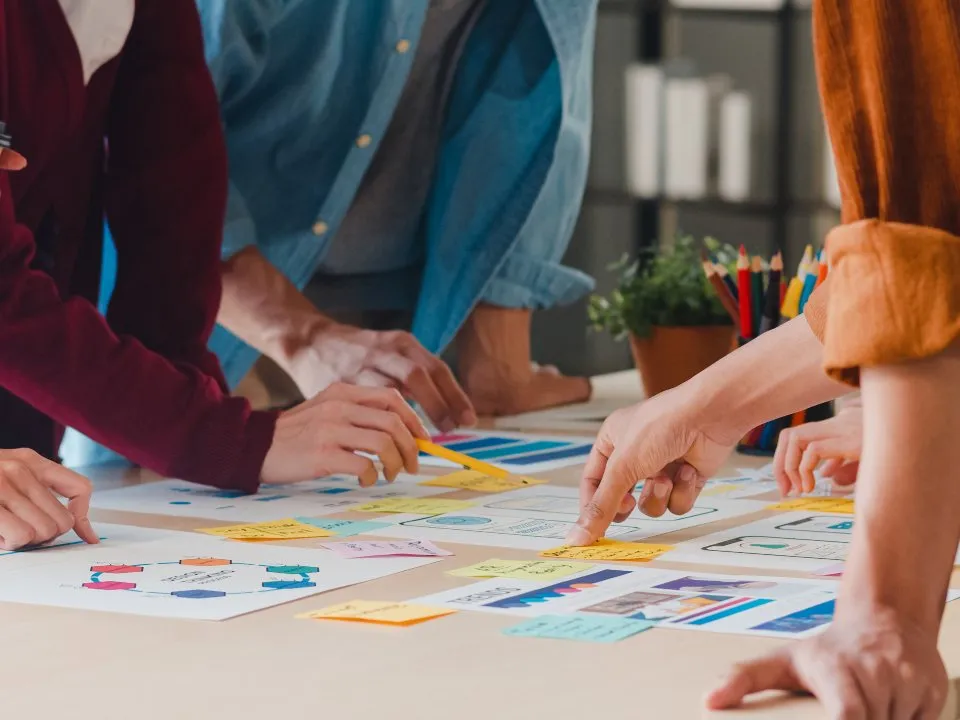
SNSF · NRP 77
co.LAB
A collaborative platform for the design, development and evaluation of serious games.
Learn more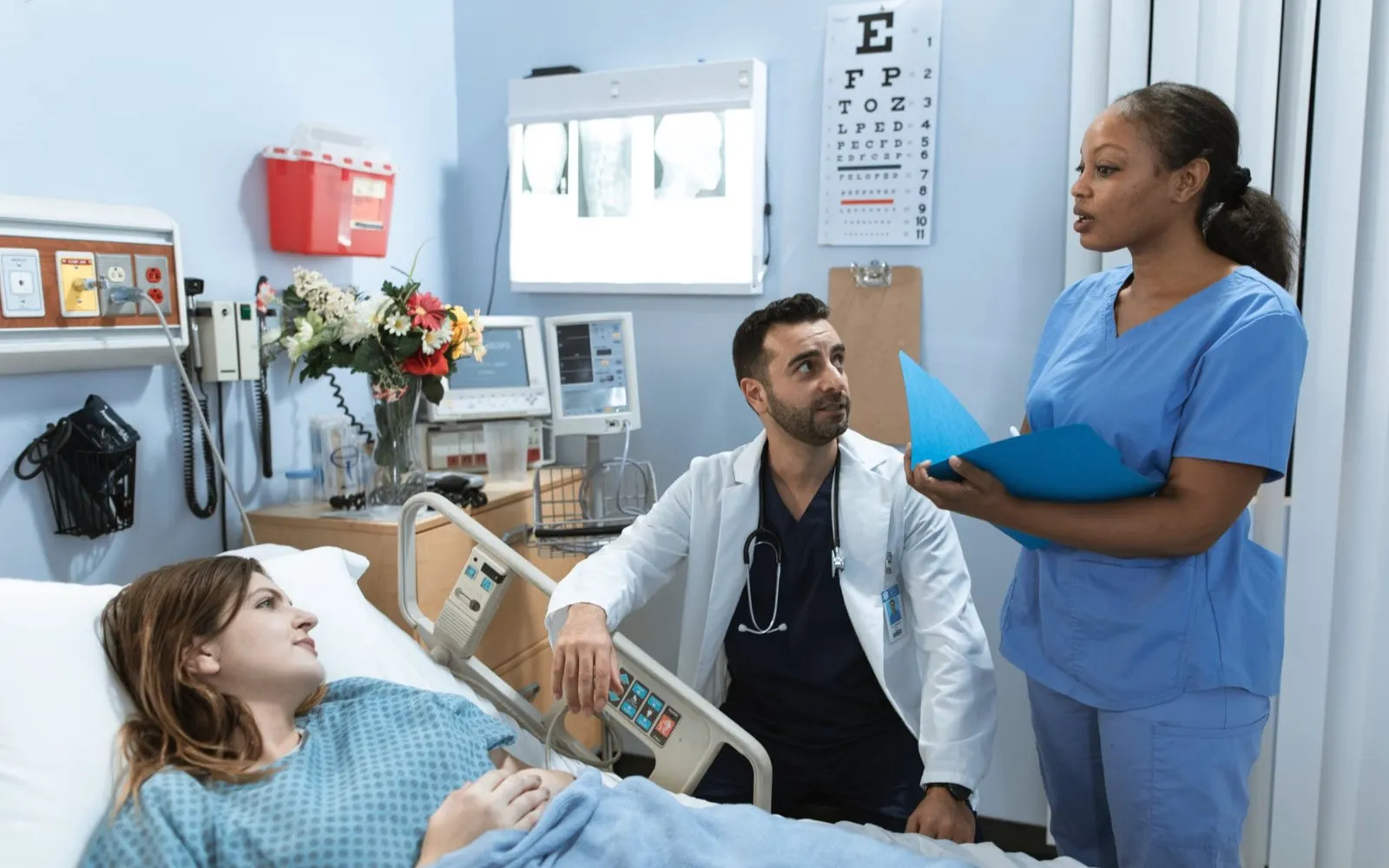
HESAV · HES-SO
PRITS
A serious game for teaching patients’ rights through dialogues with virtual patients.
Learn more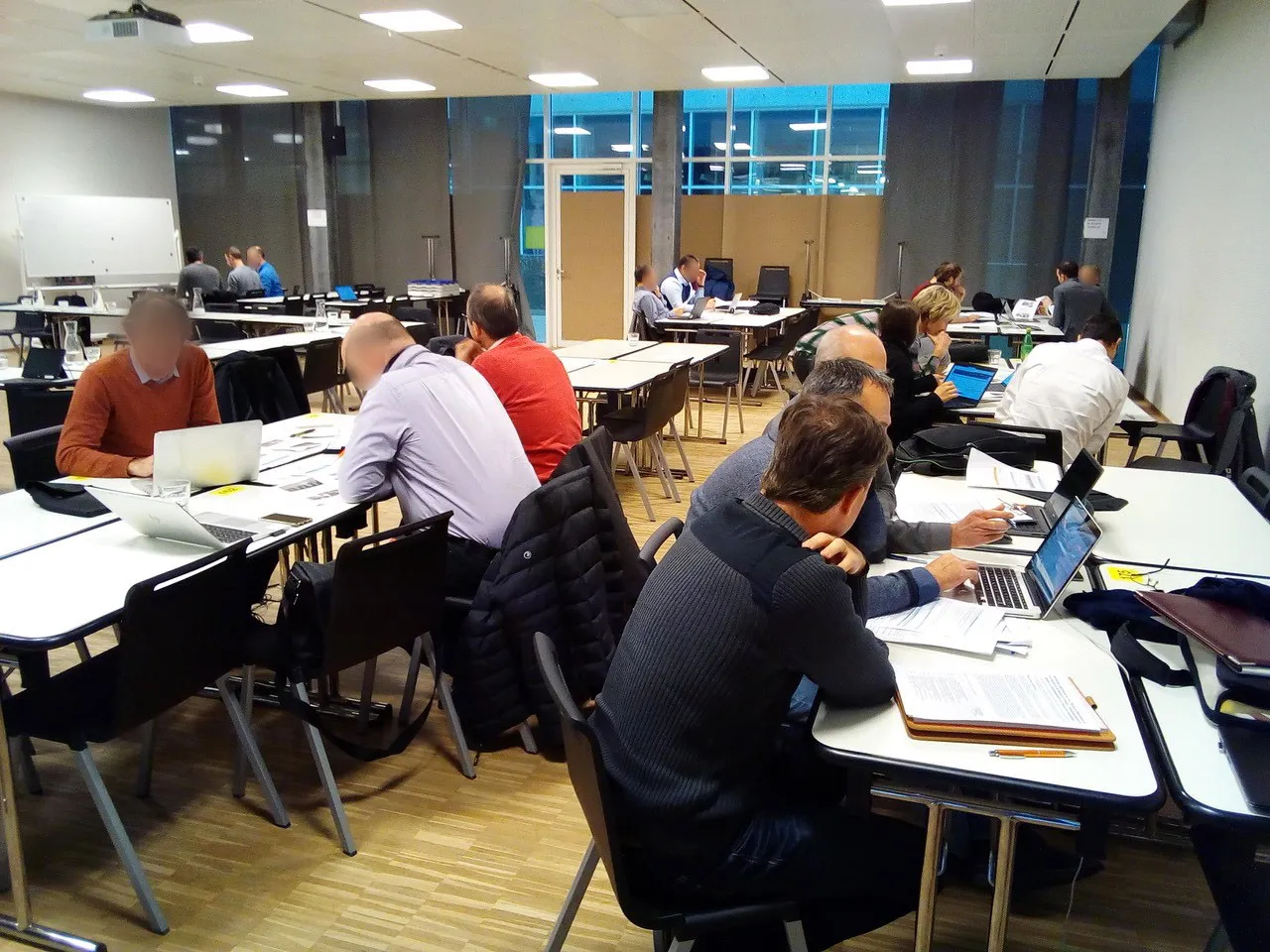
Horizon 2020
M-Benefits
A serious game to train energy managers to assess the multiple benefits of energy-efficiency measures.
Learn more
University of Agder · Diku
Serious games in higher education
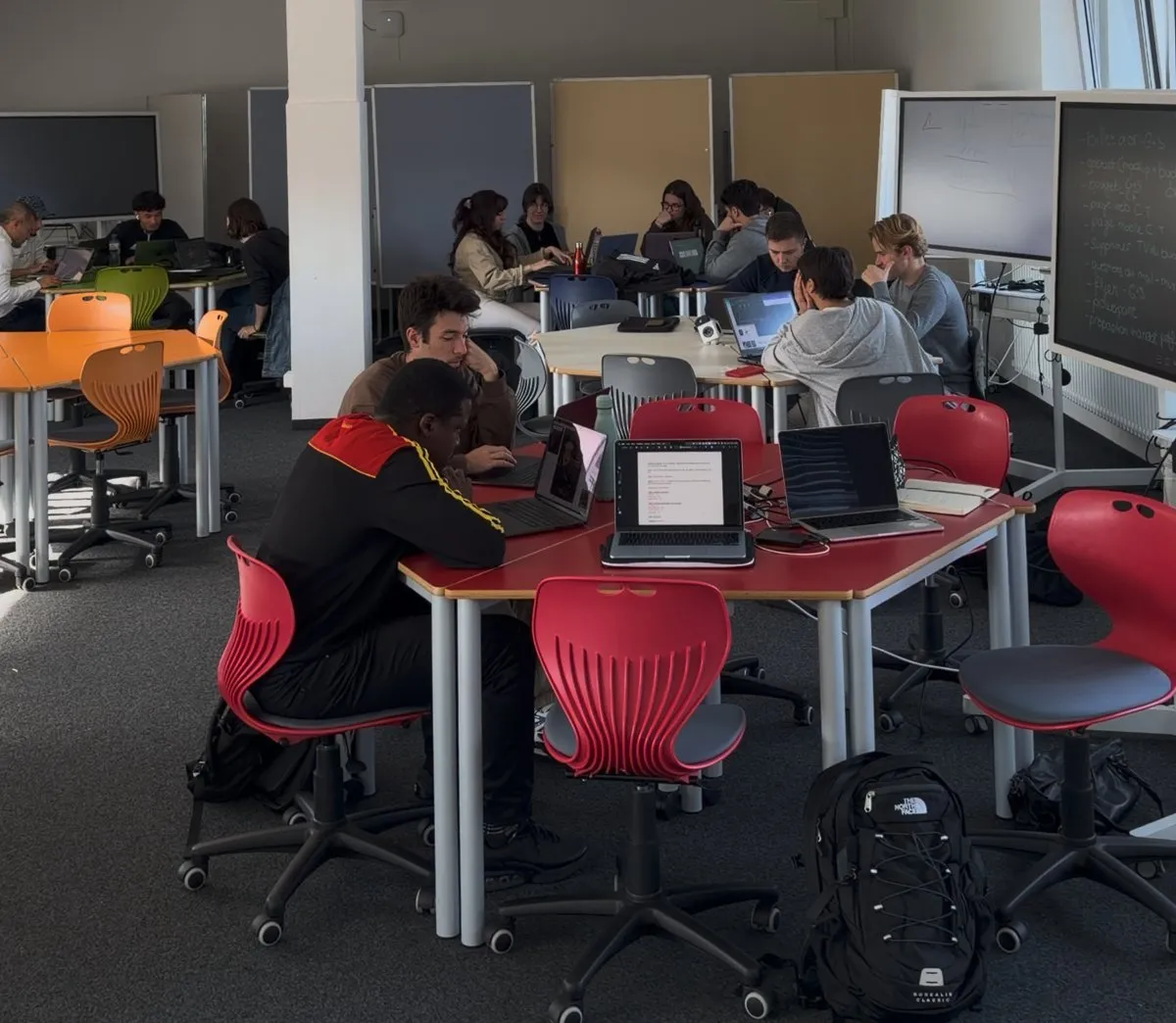
A project using serious games to strengthen students’ learning in higher education, with the University of Agder.
Learn more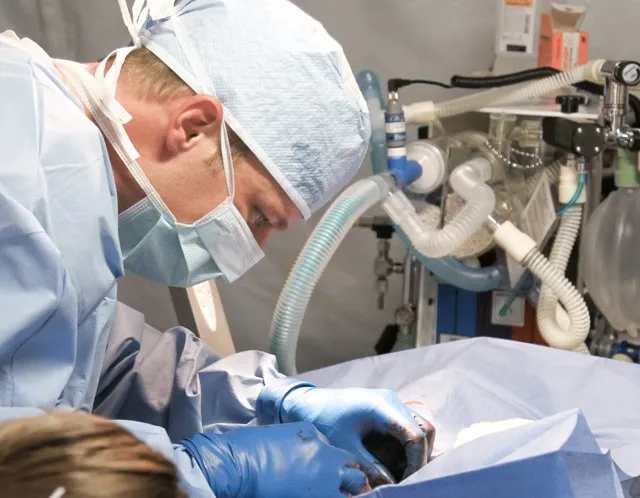
La Source · HUG · HES-SO
Emergency Triage
A serious game for studying how noise and task interruptions affect nurses’ emergency triage decisions.
Learn more
University of Fribourg · Hasler Foundation
PACT
Game-based resources for teaching computer programming, developed with the University of Fribourg and secondary school teachers.
Learn moreOur research approach
Combining scientific rigour with hands-on collaboration in the field

Design research
Following Design-Based Research (DBR) and Design Science Research (DSR) approaches, we develop serious games, simulations and platforms as research artefacts, and study them in real settings.
Collaborative
From collaborative design to collaborative evaluation, trainers, subject-matter experts and learners are actively involved in our projects.
Mixed methods
We evaluate our artefacts in real settings, combining quantitative data, such as usage traces, with qualitative data from observations, interviews or focus groups.
Our design and development process
Understanding
Context, training needs, audience, learning objectives.
Co-design
Workshops with partners, mockups of games and simulations, usage scenarios.
Rapid prototyping
Early playable versions, software and content developed in parallel.
Live testing
Tests in real learning contexts to refine content, interfaces and teaching approach.
Our research infrastructure
Wegas, our research and development platform
Developed by our team, Wegas (Web Game Authoring System) is the open-source platform on which our serious games and simulations are built. It enables rapid prototyping, the use of developed games, and the collection of usage data that feed the quantitative part of our research.
- Rapid prototyping
- Open source
- Usage data for research





Collaborate with us
Interested in a research collaboration? We would be glad to discuss joint projects.